Israel deliberately setting southern Lebanon ablaze – firefighters
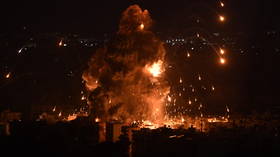
Israel has been intentionally igniting wildfires in forests and agricultural land across southern Lebanon using drones and various munitions, Lebanese firefighters have claimed to The Guardian.
Large areas of woodland, olive groves, and farmland have burned in the nearly two months since the June 17 ceasefire largely halted fighting between Israel and Hezbollah. Hussein Fakih, the head of civil defense in the Nabatieh region, estimated that fires have affected 30-40% of land in some areas close to the front line.
He said Israeli forces began setting fires immediately, alleging that drones have dropped incendiary materials while white phosphorus shells and illumination flares have been fired into woodland.
On Tuesday, Israeli forces dropped flares over a wooded area outside Khiam, sparking fires, according to Fakih. A drone later struck near firefighters attempting to extinguish the blaze, forcing them to withdraw.
The allegations come alongside evidence of extensive destruction across Israeli-occupied parts of southern Lebanon. A visual investigation by the Financial Times and journalism nonprofit Lighthouse Reports found widespread damage to homes, schools, farmland, forests, and essential infrastructure. Satellite imagery indicated that much of the destruction occurred after Israeli forces had established control over evacuated villages in mid-April.
Israeli forces subsequently pushed deeper into southern Lebanon and established what officials have described as a security buffer zone. By June, Israel reportedly controlled around 2,000 square kilometers of Lebanese territory – roughly one-fifth of the country.
Lebanese Prime Minister Nawaf Salam has repeatedly demanded a complete Israeli withdrawal and pledged to restore essential services so displaced residents can return.