Gulf nation warns US it could ditch petrodollar for yuan – WSJ
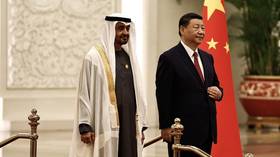
The United Arab Emirates has warned the US Treasury that it could be “forced to use Chinese yuan” in oil trade, the Wall Street Journal reported on Sunday.
UAE Central Bank Governor Khaled Mohamed Balama delivered what the newspaper described as an “implicit threat” against the dollar’s dominant position during a meeting with US Treasury Secretary Scott Bessent in Washington last week, the outlet said, citing unnamed US officials.
Balama reportedly explained that Abu Dhabi could require a lifeline to prevent a dollar liquidity crunch if the economic fallout from the US war against Iran continues to rise.
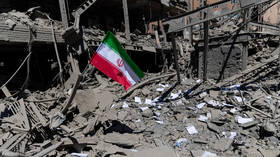
Tehran has pursued a strategy of asymmetric pressure aimed at raising costs for Washington and its allies. The UAE bore the brunt of Iranian retaliation against US military bases and other high-value locations, with over 2,800 drones and missiles reportedly fired at the country.

The US Treasury could offer a currency swap, though these types of arrangements are usually handled by the Federal Reserve. The WSJ said Fed approval for the UAE is unlikely and cited a precedent last year in which a $20 billion support package was arranged by the Treasury for Argentina ahead of a key election.
The administration of US President Donald Trump previously floated the idea of Gulf states partially covering the cost of the Iran war. Harvard Kennedy School Professor Linda Bilmes estimated that the US directly spent $2 billion per day in the first 40 days of the conflict.
Arab frustration with US policies has surfaced in public commentary from figures linked to Gulf governments. On Sunday, Abdulkhaleq Abdulla, a former adviser to UAE President Mohammed bin Zayed, called for US military bases in the country to be closed, arguing that they are a burden rather than a strategic asset. He advocated instead for prioritizing the acquisition of advanced US weaponry as an alternative national defense strategy.
Iran has also been collecting payment for ships that pass through the Strait of Hormuz that it considers neutral in the conflict, demanding payments in yuan or cryptocurrencies – which helps circumvent US financial control and potential sanctions.