Putin-backed BRICS grain exchange expected to exceed $1 trillion turnover
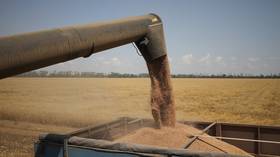
BRICS countries are working on setting up a grain exchange, backed by Russian President Vladimir Putin, that could challenge the hegemony of Western commodity exchanges over global agricultural trading and prices.
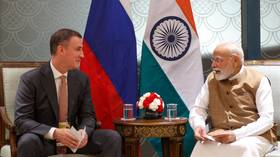
Russia presented the framework of the BRICS Grain Exchange at a meeting last week of the bloc’s economy and trade ministers in Jaipur, India, touting it as a “unified digital trading platform where producers and buyers of agricultural crops could deal with one another directly.”
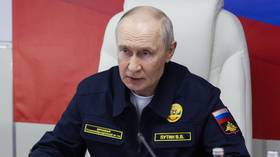
Russia’s Union of Grain Exporters and Producers, which first proposed the establishment of the exchange in 2023, has estimated that trading of agricultural and related products could eventually exceed $1 trillion. Putin backed the initiative in 2024 and said it could eventually evolve into a full-fledged commodity exchange.
“The BRICS Grain Exchange is an opportunity for our countries to determine the fair value of their products themselves,” Russian Deputy Economic Development Minister Vladimir Ilyichev said in a statement.
Russia Unveils BRICS Grain Exchange Blueprint in Jaipur
— RT_India (@RT_India_news) August 11, 2026
RT India dives a little deeper into the agri-trade model and why it matters 📹 pic.twitter.com/C866legEYh
BRICS countries contribute about 42% of the global agricultural and food output, and are home to more than two-thirds of the world’s small and marginal farmers.
However, global trading and price discovery in agricultural commodities is dominated by Western futures exchanges such as the Chicago Board of Trade and Euronext.
“The reduction of the number of intermediaries will directly influence the attractiveness of prices for all parties,” Ilyichev said. “Today, every additional link in the supply chain builds in its own margin. As a result, the farmer gets less for their product, while the buyer pays more than they would with direct settlements.”
The BRICS ministers discussed their respective positions on the exchange and readiness to implement the initiative. India, which holds the BRICS presidency this year, is hosting the group’s annual summit on September 12-13.