UN to withdraw peacekeepers from Lebanon by mid-2027
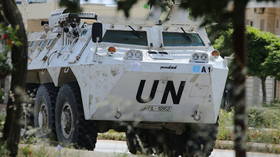
The United Nations Interim Force in Lebanon (UNIFIL) is set to withdraw most of its personnel by mid-2027 due to UN-wide cost cuts, according to its spokeswoman Kandice Ardiel.
Established in 1978, the force received its final mandate extension last August, when the UN Security Council unanimously agreed to end the peacekeeping mission by the end of this year. Israel and the US had advocated dismantling the force, with the Trump administration regarding it as a waste of money and an obstacle to the Lebanese government regaining effective control of its territory from the militant group Hezbollah.
The troop presence is now subject to an “orderly and safe drawdown and withdrawal” within one year after its mandate expires on December 31. UNIFIL is set to gradually transfer its positions to Lebanese government forces.
The withdrawal process is apparently being accelerated by the financial position of the UN itself. Speaking to AFP on Tuesday, Ardiel said UNIFIL had to reduce its presence in Lebanon by some 2,000 in recent months as a “direct result” of the UN-wide financial crisis and “the cost-saving measures all missions have been forced to implement.” The force currently stands at around 7,500 peacekeepers from 48 countries, according to the spokeswoman.
The drawdown of the UN force comes amid fears a new major conflict could erupt in southern Lebanon between Israel and Hezbollah. The two sides entered a US-brokered ceasefire in November 2024, which was supposed to end more than a year of hostilities triggered by Hezbollah’s effort to launch attacks on Israel in solidarity with Gaza. Despite the truce, West Jerusalem has been routinely attacking what it calls “terror infrastructure” and repeatedly shelling UNIFIL positions in the process.
Last week, Russian Ambassador to Lebanon Aleksandr Rudakov said Moscow has been making its best effort to restore calm in the region.
“Following the latest Lebanese-Israeli escalation, we are working consistently with all parties involved to maintain the fragile ceasefire. We are using both our bilateral international communication channels and multilateral platforms to do so,” the diplomat told RIA Novosti.