Ebola outbreak: Is the US panicking with new travel bans?
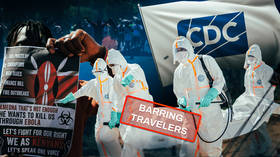
The US has tightened travel restrictions on people arriving from the Democratic Republic of the Congo (DR Congo) as the country struggles with a rapidly expanding Ebola outbreak.
US citizens and nationals who have been in the DR Congo within the previous 21 days are currently barred from returning to the US on commercial flights. The restrictions come as the outbreak has surpassed 4,000 confirmed cases and the death toll continues to rise.
Despite the increasingly stringent measures, the US Centers for Disease Control and Prevention (CDC) continues to assess the overall risk to the American public as low, with no cases linked to the outbreak confirmed in the US.
How do the US Ebola travel restrictions work?
The US has progressively tightened travel restrictions since the Ebola outbreak was declared in May, citing the risk that infected travelers could enter the country before developing symptoms.
The CDC initially suspended entry for foreign nationals who had been in the DR Congo, Uganda, or South Sudan during the previous 21 days, later extending the restrictions to US lawful permanent residents.
Washington has since gone further, barring anyone who has been in the DR Congo within the previous 21 days from boarding commercial flights bound for the US, including American citizens and nationals. Affected travelers have been advised to remain outside the country until the 21-day period has elapsed.
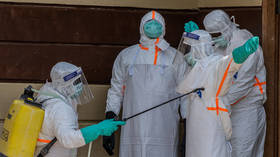
The timeframe reflects Ebola’s incubation period, which can last from two to 21 days, during which an infected person may not yet show symptoms.
How serious is the Ebola outbreak?
The latest figures from the DR Congo show a sharp increase in infections and deaths in just one week. On August 1, health authorities reported 3,748 confirmed cases and 1,657 deaths. By August 8, the figures had risen to 4,294 cases and 1,960 deaths.
The case fatality rate also increased from 44.2% to 45.6%, while the number of affected health zones rose from 49 to 53. The WHO has described the epidemic as the largest Ebola outbreak the country has ever faced, surpassing the 2018-2020 outbreak.
However, some response indicators have improved. The number of recoveries rose from 708 to 849 between August 1 and August 8, while the share of identified contacts being monitored increased from 80.1% to 84.6%.
Treatment capacity is also being strengthened. The UN says a new 100-bed Ebola treatment center in Bunia is set to become the largest in the country, while Doctors Without Borders says it is operating seven treatment centers with more than 480 beds.
Are other countries imposing Ebola travel restrictions?
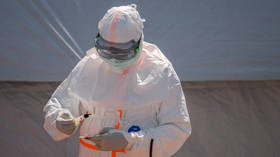
The US is not alone in tightening its borders in response to the outbreak. Canada has also imposed restrictions, temporarily suspending immigration documents for foreign nationals residing in the DR Congo, Uganda, and South Sudan. Since July 20, it has gone further by barring any foreign national who has been in the DR Congo within the previous 21 days from entering Canada or boarding a flight to the country.
Other countries have introduced varying restrictions and screening measures. Bahrain has restricted entry for travelers with recent stays in affected countries, while Uganda has suspended flights to and from the DR Congo. Russia has stopped short of imposing an entry ban but has stepped up sanitary and quarantine controls at border checkpoints, while several countries in Africa and Asia have introduced additional screening and health monitoring for travelers arriving from affected areas.
Does the WHO recommend Ebola travel bans?
Despite the measures introduced by the US, Canada, and other countries, the WHO has advised against restricting travel to countries affected by the outbreak.
Under temporary recommendations issued in May, the agency urged neighboring countries to keep their borders open and advised all countries against suspending flights or denying entry to travelers arriving from areas where the Bundibugyo virus is circulating. Instead, it recommended strengthened surveillance, health information for travelers, and measures to rapidly identify and manage suspected cases.
The WHO has maintained that position as the outbreak has expanded. In its latest assessment, the agency said the risk remains very high within the DR Congo and high at the regional level, but low globally.
Why did the US set up an Ebola quarantine center in Kenya?
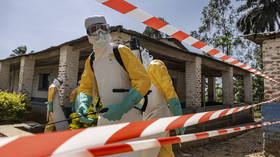
While restricting travel from the DR Congo, the US has also established a dedicated quarantine facility at Kenya’s Laikipia Air Base for Americans potentially exposed to Ebola before they return home.
The decision has proved controversial in Kenya, which had recorded no cases linked to the current outbreak when the facility was established. The project triggered protests and a legal challenge, with a Kenyan court temporarily blocking the facility.
Nigerian professor of virology Oyewale Tomori has questioned why the facility should be reserved for Americans. “If that center is open, it should be open to everybody, not just Americans,” Tomori told RT. “If any Kenyan gets any infection, it should be treated in that place.”